
Comprehensive Cancer Treatment Clinics
Cancer, a formidable adversary that affects millions worldwide, has led to a profound evolution in medical science and patient care. At the forefront of this battle are cancer treatment clinics – centers of expertise, compassion, and innovation that strive to provide comprehensive care to individuals facing this complex disease.
This article delves into the crucial role played by cancer treatment clinics, highlighting their services, multidisciplinary approach, advancements, and the holistic care they offer to patients and their families.
Cancer is a formidable adversary that affects millions of lives worldwide. It knows no boundaries, targeting young and old, rich and poor alike. However, in the battle against this relentless disease, the rise of Cancer Treatment Clinics has emerged as a beacon of hope.
These specialized medical centers are dedicated to providing comprehensive care, cutting-edge treatments, and unwavering support to cancer patients. In this article, we will explore the vital role Cancer Treatment Clinics play in the fight against cancer.
Understanding Cancer Treatment Clinics
Cancer treatment clinics are specialized medical facilities designed to diagnose, treat, and manage various forms of cancer. They operate as hubs of expertise, integrating medical professionals from diverse fields, including oncology, radiology, surgery, pathology, and more.
These clinics are equipped with state-of-the-art technology and infrastructure to deliver cutting-edge treatments, while also offering supportive care to enhance patients’ quality of life.
Cancer Treatment Clinics are healthcare facilities specifically designed to diagnose, treat, and support individuals battling cancer. These clinics bring together a multidisciplinary team of experts, including oncologists, radiologists, surgeons, nurses, and support staff, all focused on providing the best possible care for cancer patients.
Multidisciplinary Approach
One of the defining features of cancer treatment clinics is their multidisciplinary approach. A team of healthcare professionals with distinct expertise collaborates to design personalized treatment plans for each patient. This interdisciplinary collaboration ensures that all aspects of a patient’s medical condition, emotional well-being, and lifestyle are taken into consideration.
Medical oncologists, surgical oncologists, radiation oncologists, nurses, social workers, and other specialists work in tandem to provide comprehensive care.
The Importance of Multidisciplinary Care
Cancer is a complex disease that often requires a multifaceted approach. Cancer Treatment Clinics excel in providing multidisciplinary care. Teams of specialists collaborate, discussing each patient’s case to ensure a comprehensive and integrated treatment plan. This collaborative approach enhances the effectiveness of treatments while minimizing side effects and complications.
Comprehensive Services
Cancer treatment clinics offer a wide range of services tailored to meet the unique needs of each patient. These services include:
Diagnosis: Accurate diagnosis is the foundation of effective cancer treatment. Clinics utilize advanced imaging techniques, biopsies, and genetic testing to identify the type, stage, and molecular characteristics of the cancer.
Treatment Planning: After diagnosis, the multidisciplinary team develops an individualized treatment plan. This may include surgery, chemotherapy, radiation therapy, targeted therapies, immunotherapy, or a combination of these approaches.
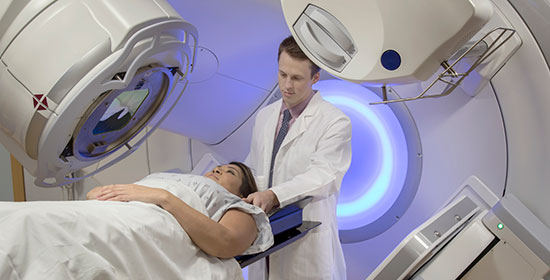
State-of-the-Art Technology: Clinics invest in cutting-edge technology, such as robotic surgery systems, advanced radiation therapy machines, and molecular profiling techniques, to offer the latest and most precise treatments.
Clinical Trials: Many clinics actively engage in clinical trials, offering eligible patients access to experimental treatments and contributing to the advancement of cancer research.
Supportive Care: Beyond medical interventions, clinics provide emotional, psychological, and social support services to patients and their families. This may involve counseling, support groups, pain management, nutrition guidance, and more.
Survivorship Programs: Even after successful treatment, patients are supported through survivorship programs that address potential long-term effects of cancer and its treatments.
Advancements in Cancer Treatment Clinics
The landscape of cancer treatment is constantly evolving, and treatment clinics are at the forefront of these advancements. Some notable trends include:
Immunotherapy Revolution: Immunotherapy, which harnesses the body’s immune system to fight cancer, has emerged as a game-changer in cancer treatment. Clinics are adopting novel immunotherapies like CAR-T cell therapy, which reprograms a patient’s own immune cells to target cancer cells.
Precision Medicine: Genetic and molecular profiling allows clinics to tailor treatments to a patient’s specific genetic makeup, increasing treatment efficacy and minimizing side effects.
Minimally Invasive Procedures: Surgical techniques have evolved to include minimally invasive options like laparoscopy and robotic surgery, leading to quicker recovery times and reduced postoperative complications.
Targeted Therapies: Clinics are increasingly using targeted therapies that focus on specific molecular characteristics of cancer cells, leading to more effective treatment with fewer side effects.
Holistic Care Approach
Cancer treatment clinics emphasize holistic care, recognizing that addressing patients’ emotional, psychological, and social well-being is crucial alongside medical interventions. Many clinics offer integrative therapies such as yoga, meditation, art therapy, and mindfulness programs to support patients throughout their cancer journey.
Cancer treatment clinics stand as beacons of hope and healing in the face of a challenging diagnosis. Their multidisciplinary approach, cutting-edge treatments, and emphasis on holistic care make them essential components of modern oncology.
As advancements continue to reshape the landscape of cancer treatment, these clinics will remain at the forefront, offering comprehensive.