Exploring the World of Stem Cell Transplants
In the realm of medical marvels, stem cell transplants stand as a beacon of hope, offering the promise of renewed life to patients battling a range of debilitating diseases. Stem cells possess the extraordinary ability to regenerate and repair damaged tissues, making them a powerful tool in modern medicine.
This article delves into the intricacies of stem cell transplants, their various types, applications, the transplantation process, and the potential they hold for transforming the landscape of healthcare.
Stem cell transplantation, also known as hematopoietic stem cell transplantation (HSCT) or bone marrow transplantation (BMT), is a remarkable medical procedure that has transformed the landscape of treatment for a range of diseases. This article explores the science behind stem cell transplantation, its various applications, the transplantation process, and its significant impact on patients’ lives.
Understanding Stem Cells
Stem cells are remarkable building blocks of life, capable of developing into different types of cells in the body. They are categorized into embryonic stem cells, adult or somatic stem cells, and induced pluripotent stem cells. Each type has unique characteristics and applications.
Stem cells are unique cells with the remarkable ability to develop into different cell types in the body. They can divide and produce both identical stem cells (self-renewal) and specialized cells (differentiation) with specific functions. In the context of transplantation, the most common type of stem cell used is hematopoietic stem cells (HSCs), which give rise to blood cells.
Types of Stem Cell Transplants
Autologous Stem Cell Transplant: This involves using a patient’s own stem cells, collected prior to treatment. After receiving high-dose chemotherapy or radiation therapy, the harvested stem cells are infused back into the patient’s body to regenerate healthy blood cells.
Allogeneic Stem Cell Transplant: In this type, stem cells are obtained from a compatible donor, often a sibling or unrelated donor. Allogeneic transplants are used to treat various blood cancers and genetic disorders.
Syngeneic Stem Cell Transplant: This rare form of transplant involves using stem cells from an identical twin. Since the cells are a genetic match, the risk of rejection is minimal.
Applications of Stem Cell Transplants
Hematopoietic Stem Cell Transplantation (HSCT): HSCT is commonly used to treat blood cancers such as leukemia, lymphoma, and multiple myeloma. It involves replacing damaged or cancerous blood cells with healthy stem cells to restore normal blood cell production.
Bone Marrow Disorders: Stem cell transplants offer hope for patients with severe bone marrow disorders, where the marrow fails to produce sufficient healthy blood cells.
Genetic Disorders: In cases of genetic diseases like sickle cell anemia and thalassemia, stem cell transplants hold the potential to replace faulty cells with healthy ones.
Autoimmune Diseases: Stem cell transplants are being explored for autoimmune diseases like multiple sclerosis and lupus, as they can help “reset” the immune system and reduce disease activity.
The Transplantation Process
Preparation: Before transplantation, patients undergo a thorough assessment to determine the most suitable type of transplant and identify potential donors.
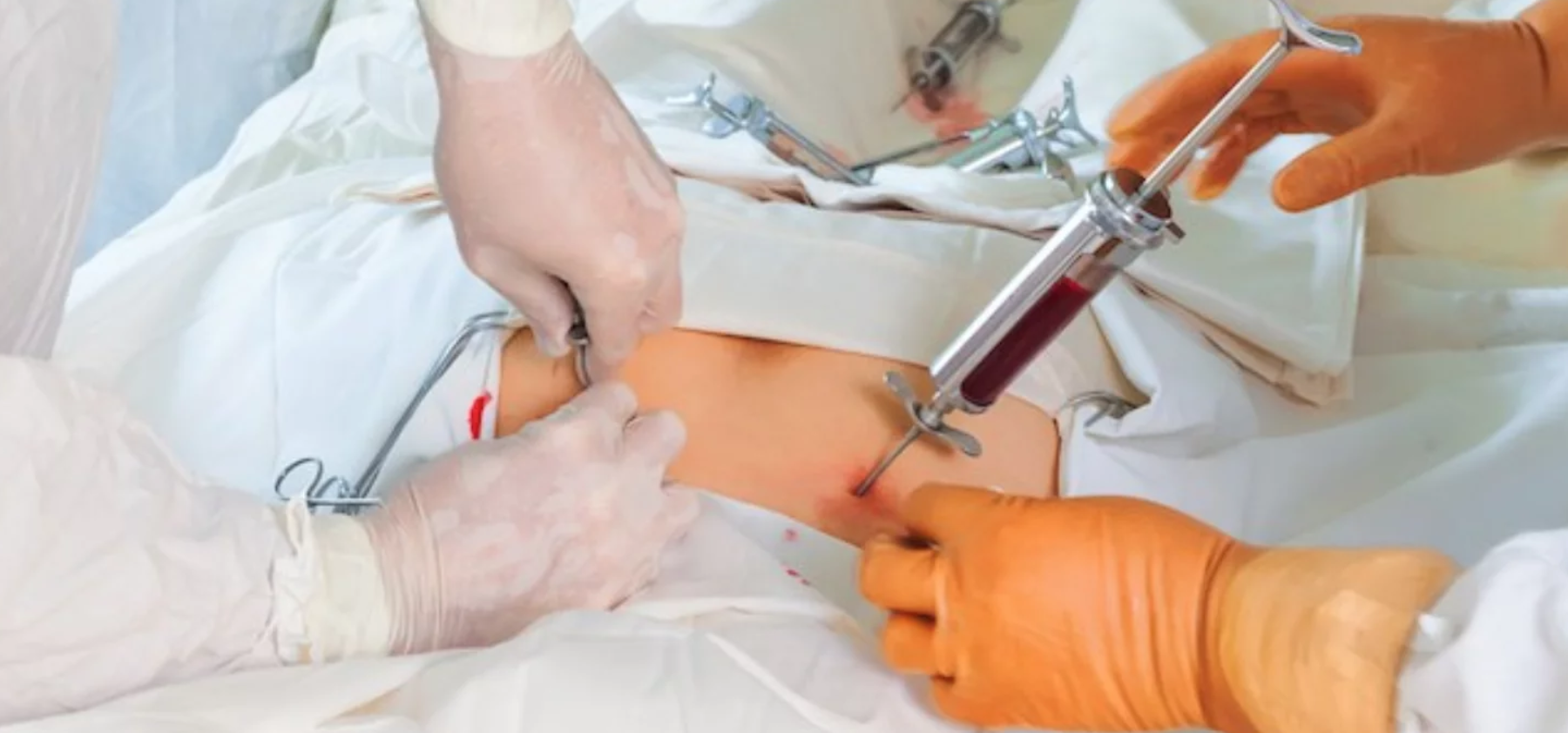
Stem Cell Collection: For autologous transplants, stem cells are collected from the patient’s blood or bone marrow. For allogeneic transplants, donors undergo a similar collection process.
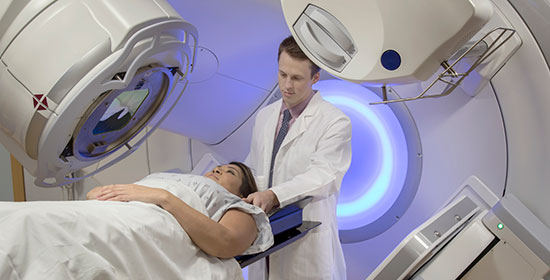
Conditioning: Patients receive high-dose chemotherapy and/or radiation to destroy cancer cells and suppress the immune system. This creates space in the bone marrow for the transplanted cells.
Stem cell transplantation stands as a beacon of hope in the realm of modern medicine, offering a transformative approach to treating a diverse range of diseases. Its profound impact extends beyond the confines of traditional treatments, ushering in a new era of regenerative medicine that leverages the body’s inherent capacity for renewal and repair. As we reflect on the journey from scientific discovery to clinical practice, several key themes emerge:
Pioneering Science and Innovation: Stem cell transplantation epitomizes the power of human ingenuity and scientific exploration. The discovery of stem cells and their potential to rejuvenate damaged tissues and systems ignited a revolution in medical research, leading to the development of sophisticated transplantation techniques that have saved countless lives.
Personalized Medicine in Action: The individualized nature of stem cell transplantation aligns with the principles of personalized medicine. From autologous to allogeneic transplantation, every approach is tailored to the patient’s unique needs, offering a chance for recovery that resonates deeply with the concept of patient-centered care.
Collaborative Endeavors: Stem cell transplantation exemplifies the collaboration between diverse fields within medicine, from hematology and immunology to genetics and transplantation. Multidisciplinary teams come together to ensure the success of every transplantation journey, underscoring the importance of a holistic approach to patient care.
Inspiring Hope and Resilience: For patients and their families, stem cell transplantation represents a lifeline of hope amid challenging diagnoses. The courage and resilience displayed by individuals undergoing these procedures serve as a testament to the indomitable human spirit and the unwavering pursuit of a healthier future.
Continuous Evolution: The story of stem cell transplantation is far from static. With each passing year, advances in medical research and technology refine transplantation techniques, improve patient outcomes, and expand the frontiers of what is possible. From innovative ways of selecting donors to novel methods of reducing complications, the journey of transplantation is an ongoing narrative of progress.
As we navigate the future, stem cell transplantation’s promise continues to shine bright. It beckons us to explore the uncharted territories of regenerative medicine, unlocking possibilities to address previously untreatable conditions. With each successful transplant, we inch closer to a world where diseases are not only managed but eradicated, where quality of life is restored, and where the limits of medical achievement are pushed further.
In embracing the future of regenerative medicine through stem cell transplantation, we pay homage to the pioneering efforts of scientists, the dedication of healthcare professionals, and the resilience of patients. We stand on the precipice of a new era—one defined by the potential to heal, rejuvenate, and transform lives.
Through this awe-inspiring journey, we find a profound reminder of the remarkable capabilities of human innovation and the boundless possibilities that await us on the horizon.