Mesothelioma Cancer: Causes, Symptoms, Diagnosis, Treatment, and Support
Mesothelioma cancer, an uncommon and forceful type of malignant growth, requires a thorough comprehension of its cancer, side effects, finding, treatment choices, and the help accessible.
This article digs into the complexities of mesothelioma, giving important bits of knowledge into its causes, early side effects, precise finding strategies, different treatment draws near, and the encouraging group of people for patients and their families.
Mesothelioma Cancer Causes
Mesothelioma cancer is fundamentally brought about by openness to asbestos, a normally happening mineral that was broadly utilized in different ventures for its protection properties and intensity obstruction. While asbestos-containing materials are upset or harmed, minuscule asbestos strands can become airborne and be breathed in or ingested by people nearby. Over the long haul, these strands gather in the defensive covering of specific organs, prompting the advancement of mesothelioma.
Causes of Mesothelioma: Mesothelioma is primarily caused by prolonged exposure to asbestos, a naturally occurring mineral used in various industries for its heat resistance and insulation properties. Occupations such as construction, shipbuilding, mining, and asbestos manufacturing carry a higher risk of asbestos exposure. Additionally, secondhand exposure may occur when individuals come into contact with asbestos fibers carried home on the clothes of workers.
Early Symptoms and Progression: The early symptoms of mesothelioma are often nonspecific and may resemble those of other respiratory conditions. Persistent coughing, shortness of breath, chest pain, fatigue, and unexplained weight loss are common early signs. As the disease progresses, symptoms intensify, including pleural effusion (fluid buildup), abdominal pain, swelling, bowel changes, and a general decline in overall health.
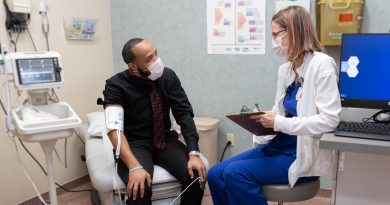
Diagnostic Procedures: Accurate diagnosis is crucial for effective treatment. Physicians employ various diagnostic procedures, such as imaging tests (X-rays, CT scans, PET scans), blood tests to detect specific biomarkers, and ultimately, a tissue biopsy to confirm the presence of mesothelioma cells. Specialized medical professionals, such as mesothelioma specialists, pathologists, and radiologists, are instrumental in achieving an accurate diagnosis.
Treatment Approaches: a) Surgery: Surgical interventions aim to remove tumors and alleviate symptoms. Pleurectomy/decortication (P/D) and extrapleural pneumonectomy (EPP) are two surgical procedures used for pleural mesothelioma, while cytoreductive surgery with hyperthermic intraperitoneal chemotherapy (HIPEC) is employed for peritoneal Mesothelioma Cancer.
b) Chemotherapy treatment
Systemic chemotherapy utilizing a combination of anticancer drugs is commonly used to shrink tumors, control the spread of the disease, and improve overall quality of life.
c) Radiation Therapy
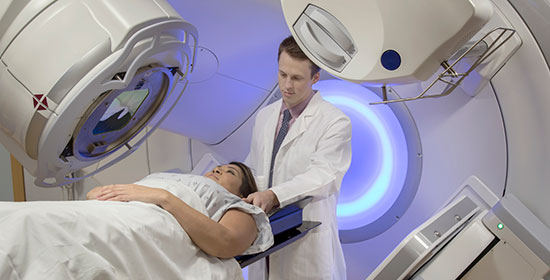
Targeted radiation therapy helps reduce tumor size, relieve symptoms, and improve local disease control. It can be used as a standalone treatment or in combination with surgery and chemotherapy.
d) Emerging Treatments
Clinical trials are exploring innovative approaches such as immunotherapy, gene therapy, and targeted therapies to improve treatment outcomes and prolong survival for mesothelioma patients.
Support Network: The journey with mesothelioma can be emotionally and physically challenging. Patients and their families can benefit from support networks such as mesothelioma support groups, online forums, and counseling services. These resources provide a safe space for sharing experiences, gaining insights, and finding emotional support during the treatment and recovery process.
Legal and Financial Assistance: Asbestos exposure often leads to mesothelioma, and affected individuals may be eligible for legal compensation. Seeking assistance from specialized mesothelioma lawyers can help navigate the legal process and explore potential compensation options to cover medical expenses and provide financial security.
Mesothelioma cancer requires a comprehensive approach that encompasses understanding its causes, recognizing early symptoms, accurate diagnosis, exploring treatment options, and accessing support networks.
With advancements in medical research and the availability of multidisciplinary treatments, there is hope for improved outcomes and enhanced quality of life for mesothelioma patients. By raising awareness, supporting research efforts, and providing a compassionate support system, we can make a difference in the lives of those